When it comes to vintage watches, the shape and design of the hour, minute, and second hands not only contribute to the watch’s visual appeal but also play a crucial role in legibility and functionality. Over time, various styles of hands have emerged, each with distinct characteristics and often tied to particular watch brands or eras. Below is a detailed description of some of the most common and distinctive types of vintage watch hands, arranged alphabetically:
Alpha hands
Alpha hands have a wide base that tapers gracefully to a fine point at the tip. They are elegant and versatile, often found in classic dress watches, adding sophistication without overpowering the dial design. Alpha hands became popular in the mid-20th century, particularly during the 1950s. Alpha hands feature a wide base that tapers gracefully to a fine point. Their elegant and versatile profile graces classic dress watches, adding sophistication without overpowering the dial. These hands gained immense popularity during the mid-20th century, particularly throughout the 1950s, when brands like Omega frequently utilised them. By prioritising readability, especially on minimalist dials, Alpha hands define the aesthetic of classic mid-century watchmaking.
Arrow hands
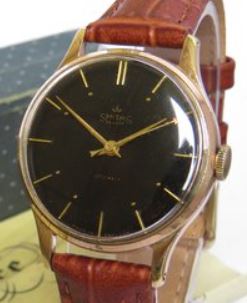
Arrow hands are instantly recognisable by their arrow-shaped tips, which point clearly to the time markers, improving readability. These hands are often in use in sports or military watches because of their boldness and precision in pointing at the hour or minute indices. Arrow hands gained popularity in the mid-20th century, frequently found in field and aviator watches, such as the Rolex Explorer. Their utilitarian design has remained popular, often symbolising adventure and ruggedness.
Baton hands
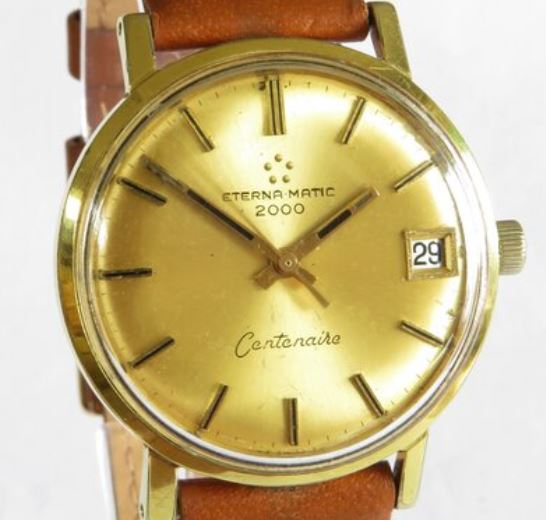
Baton hands are simple, straight, and rectangular, with even width from the base to the tip. This design emphasises clarity and readability, making it a popular choice in dress watches and timepieces with a minimalist appearance. Baton hands became widely used in the 1960s and 1970s, particularly in watches like the Omega Constellation. Designers typically pair these hands with thin markers to maintain a balanced and understated look.
Breguet hands
Named after the legendary watchmaker Abraham-Louis Breguet, these hands are elegant and highly distinctive. Breguet hands feature a slender body and end with a hollow, circular tip. First introduced in the late 18th century, these hands have become synonymous with classical watchmaking. The Breguet Classique collection is a quintessential example of watches that use these hands, and they often appear in vintage dress watches with traditional or luxurious designs (Breguet hands at Time and Watches).
Cathedral hands
Cathedral hands feature ornate, church-window-like patterns, with multiple sections giving them a Gothic look. These hands often feature in vintage watches, particularly in pilot or military-style pieces from the early to mid-20th century. The intricate detailing of cathedral hands can be found in watches like the Longines Lindbergh and early Omega pilot watches. They lend a vintage, historical feel to the watches in which they appear and are often used in watches with a nostalgic or retro design.

Dagger hands
Dagger hands are sharp and angular, resembling the blade of a dagger. These hands taper to a fine, pointed tip and are often bold in appearance, giving a watch a sleek and slightly aggressive look. Dagger hands were particularly popular in the 1930s and 1940s, during the Art Deco era when clean lines and geometric shapes were in vogue. The sharp, angular design complements watches with square or rectangular cases, reinforcing the style of modernity and elegance. Vintage watches from brands like Longines often featured dagger hands during this period. These hands inject a sense of precision and refinement into formal watches, where designers emphasise both form and function.

Dauphine hands
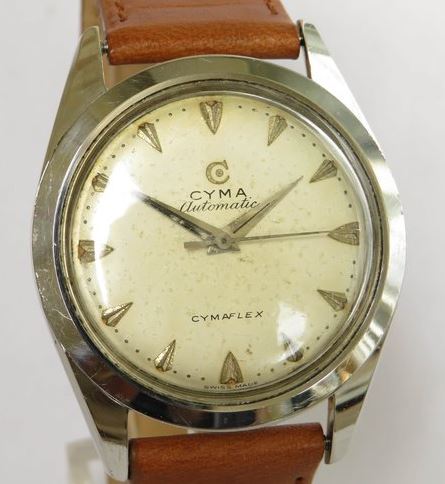
Dauphine hands are triangular, tapering sharply from the base to a fine point, often faceted to catch the light. This design became popular in the 1940s and 1950s and is still widely in use today. Dauphine hands are highly legible and reflect light at various angles, giving the watch an elegant look. They commonly feature in dress watches like the Patek Philippe Calatrava and vintage Rolex models. Their sharp, geometric lines bring a refined and timeless quality to the timepiece (Watch hands every collector should know at GQ).
Feuille hands
Also known as “leaf” hands, Feuille hands are shaped like elongated leaves with a wide midsection that tapers at both ends. Their delicate and flowing shape gives them a classic, vintage look, often found in dress watches from the 1930s and 1940s. This hand style is perfect for watches aiming for understated elegance, and brands like Vacheron Constantin and Audemars Piguet have used them in their vintage models. These hands complement traditional or formal designs and emphasize legibility.
Fleur de Lys hands
Fleur de Lys hands are distinguished by their intricate and ornamental design, modelled after the stylised lily flower emblem commonly associated with royalty, particularly the French monarchy. These hands feature a decorative tip shaped like the Fleur de Lys symbol, which adds a regal and traditional touch to any timepiece. Fleur de Lys hands are most common on vintage pocket watches from the 19th and early 20th centuries, where ornate detailing was prominent. These hands often feature in watches designed to evoke a sense of history, tradition, and nobility. While modern wristwatches rarely feature them, luxury brands like Breguet and Patek Philippe utilise Fleur de Lys hands to demonstrate their intricate craftsmanship. Their elaborate design makes them more decorative than practical. As a result, they contribute to a sense of grandeur and classical elegance, often found on heritage-inspired or limited-edition models.
Lance hands
Lance hands are sleek and straight, with a sharp, pointed tip that resembles a lance or spear. Unlike the more intricate and decorative hands, Lance hands are simple and understated, designed for clarity and precision. They often feature in vintage chronographs and military watches, where legibility and function are paramount. Lance hands became popular in the mid-20th century, particularly in watches with a more utilitarian or technical purpose, such as early Omega Speedmasters and vintage Longines chronographs. Their clean, straightforward design allows the wearer to read the time quickly and easily, which is why they are often found in pilot or field watches. The simplicity of Lance hands makes them versatile and suitable for both sporty and dressy timepieces, giving the watch an efficient and purposeful appearance.
Leaf/Willow hands
Leaf hands, also known as Willow hands, are shaped like elongated leaves with a broad centre that gently tapers to a pointed tip at both ends. The smooth, flowing lines create a delicate, refined appearance and enhance the classic, timeless feel of the watches they adorn. Leaf hands typically feature on dress watches. They are often associated with watches from the 1920s to the 1950s, a period when elegance and attention to detail were highly valued. Brands such as Patek Philippe, Audemars Piguet and Vacheron Constantin frequently feature these hands, particularly within their vintage collections. The design of leaf hands provides excellent legibility while adding a touch of sophistication, making them popular in high-end, traditional timepieces aimed at those who appreciate understated luxury.
Lozenge hands
Lozenge hands are diamond-shaped, with a geometric and minimalist appearance. Their sleek design often feature in vintage watches from the Art Deco period, particularly in the 1920s and 1930s. They are less common than other types of hands. However, they add a unique character to watches that adopt them. Lozenge hands typically feature in rectangular or tonneau-shaped cases, further enhancing their geometric appeal.
Mercedes hands
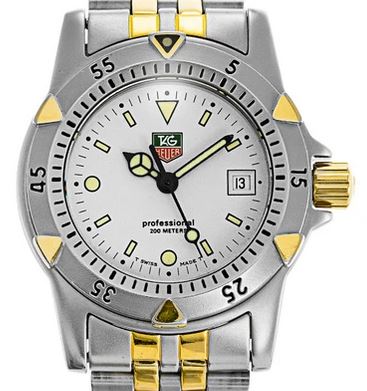
Perhaps one of the most iconic watch hands, Mercedes hands are known for the circular symbol at the tip of the hour hand that resembles the Mercedes-Benz logo. Rolex introduced this design in the 1950s with their Submariner and GMT-Master models. The Mercedes hand ensures maximum legibility while maintaining robustness, particularly in tool watches meant for diving or aviation. The design became iconic and remains a defining feature of Rolex sports watches, synonymous with the brand’s rich history (Watch hands explained at Oracle Time).
Obelisque hands
Obelisque hands are bold and geometric, resembling the pointed shape of ancient obelisks. These hands are angular and feature a wide base that tapers to a sharp point. They are often used to give a timepiece a commanding and slightly aggressive presence. Though less common in mainstream vintage watches, they often feature in avant-garde or niche designs and are sometimes found in watches inspired by ancient history or modern architecture.
Pencil hands
Pencil or index hands are straightforward and slender, with even width from the base to the tip, resembling a pencil. These hands gained popularity in the 1950s and 1960s, particularly in field watches and utilitarian timepieces. Their simplicity makes them highly legible and functional. They are often feature in tool watches like the Omega Seamaster and early Rolex Submariners. Pencil hands prioritise functionality over form, making them a favourite for tool watches.
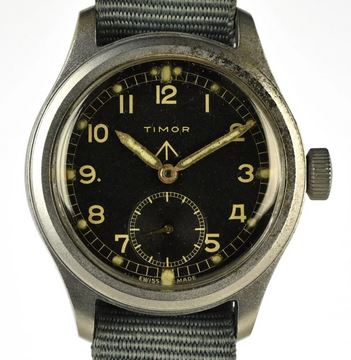
Plongeur hands
The term ‘plongeur’ derives from the French word for diver, and watchmakers utilise these hands primarily in diving watches. Plongeur hands are oversized, with the minute hand usually significantly larger and more prominent than the hour hand to emphasise legibility underwater. Often brightly coloured, these hands were designed in the mid-20th century and are associated with watches like the Omega Seamaster. The unique size difference between the hands helps divers easily differentiate between the two while underwater.
Snowflake hands
Snowflake hands are named for their squared-off, blocky tips, particularly seen on the hour hand. This design was popularised by Tudor, Rolex’s sister brand, and began to appear in the 1960s on their Submariner models made for the French Navy. Watchmakers designed these hands to be more legible underwater and have become an iconic feature of Tudor watches. The bold, angular shape distinguishes them from the more delicate and pointed hands seen in other dive watches.
Spade hands
Spade hands feature a wide, bulbous tip that resembles the spade symbol from a deck of playing cards. These hands are typically seen on vintage pocket watches from the late 19th and early 20th centuries. The design adds a whimsical and decorative element to timepieces, particularly in ornate or classical models. Spade hands are often associated with historical or vintage-themed watches that emphasise tradition and craftsmanship. Spade hands are often seen in combination with whip hands.

Spear hands
Spear hands are slim and pointed, resembling a spear or arrowhead. These hands can vary in size, but the defining feature is the sharp, pointed tip, which adds a sense of precision and agility to the watch design. Spear hands were popular in the mid-20th century, particularly in military or field watches where legibility and functionality were paramount. Spear hands often appear on vintage watches with minimalist or sporty designs.
Sword hands
Sword hands are broad and taper from a wide base to a sharp point, resembling the shape of a sword. These hands often feature on military or tool watches because of their robust and easily readable design. Sword hands became popular during the latter half of the 20th century. They were especially prominent in aviation and military timepieces such as the Blancpain Fifty Fathoms and various Omega Seamaster models. The boldness of sword hands ensures that the time can be read at a glance, even in low-light conditions (Watch hand style guide at Time + Tide).

Syringe hands
Syringe hands are thin with a needle-like tip, giving them their name. They often feature a wider, cylindrical base that narrows to a fine point, resembling a medical syringe. These hands became popular in chronographs and pilot watches from the 1940s and 1950s, with brands like Longines and Omega using them in their vintage models. The delicate yet precise design gives the watch a tool-like, purposeful appearance, often favoured in watches with a technical or professional purpose.
Summary
These various hand designs contribute to the uniqueness of vintage timepieces. Each design reflects the eras and purposes for which they were created. The specific shape and style of the hands can give a watch a completely different character, whether for utilitarian, decorative, or professional use. We have managed to cover 21 types of vintage watch hands in this post. However, we certainly haven’t seen all types in person. Have we missed anything? Please let me know in the comments below.
Leave a Reply