Can you polish a vintage watch? Absolutely. But the question is, should you? Well, that’s where things get tricky. Watch collectors have debated this for years, and there’s no simple yes or no answer. It all depends on the watch, its history, and what you hope to achieve. In this post, we discuss the pros and cons of polishing vintage watches, so you can decide what’s best for your timepiece.
Watches are meant to be worn
If you wear your watch regularly, it’s bound to pick up scratches, scuffs, and marks along the way. That’s just part of life. And honestly, a touch of patina can add character. A vintage watch that’s been worn and enjoyed tells a story, one that many collectors appreciate. However, there is a big difference between a watch that’s been used and one that’s been damaged. Generally, as a collector, it is wise to avoid damaged watches. However, if the damaged watch is an heirloom, you don’t have the luxury of saying no. The problem with polishing is that it can erase history as much as it restores appearance. In some cases, you might actually be lowering your watch’s value rather than improving it. Ultimately, it comes down to personal choice (Watches: Wear Them! at Fratello).
When to avoid polishing a watch
These are scenarios where you should definitely avoid polishing a watch case.
Rare or collectable vintage watches
If you own a vintage watch with significant historical or collector value, think of early Rolex Submariners, vintage Audemars Piguet Royal Oaks, or original Patek Philippe Nautilus models, don’t touch it. Many collectors value originality over perfection, and polishing can remove the factory finish, sharp edges, and even a watch’s natural patina. An untouched case, even with wear, often holds far more value than one that’s been polished smooth.

If you plan to sell a high-value vintage piece, resist the temptation to make it look brand new. A heavy-handed polish could literally wipe away thousands of pounds in resale value. If a refresh is necessary, request a light refinishing from a skilled watchmaker who understands the importance of preserving the original shape and finishes.
Gold or platinum watches
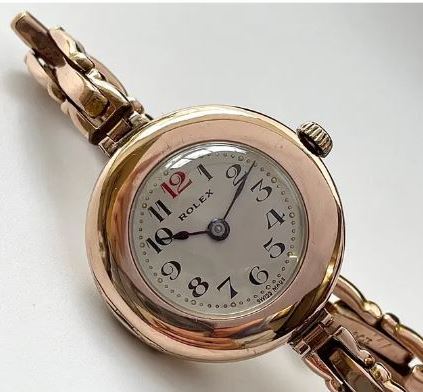
Gold and platinum watches need special care when it comes to polishing. Unlike stainless steel, these metals are much softer, meaning every polish removes a thin layer of material. Do it too often, and you’ll start altering the case’s shape, thinning lugs, and even wearing down engravings. If you own a gold or platinum watch, it’s best to wear it carefully and only polish it when absolutely necessary, and only by a professional who knows how to maintain the original case proportions.
Plated watches
If your watch has a plated, coated, or treated finish, don’t even think about polishing it yourself. Gold plating, PVD coatings, and other surface treatments can be stripped away if polished incorrectly. Some treatments can be reapplied by specialists, but it’s a delicate process that requires expertise. If you’re unsure, leave it alone and consult a professional.
Chrome-plated watches
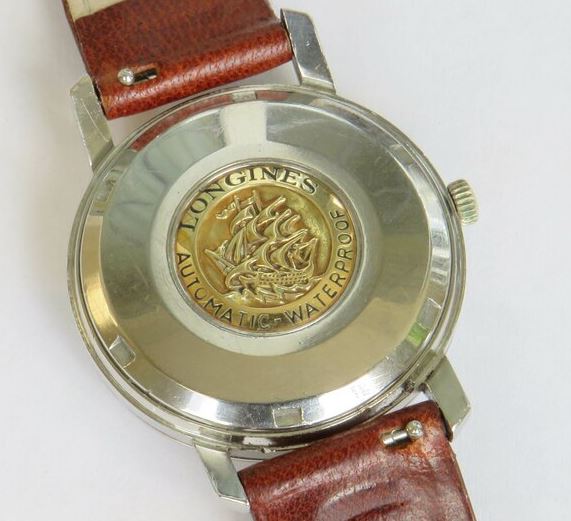
Manufacturers chrome-plated many vintage watches, especially those from the mid-20th century, over a base metal like brass. Over time, the chrome can wear down, revealing pitting or discolouration. It might be tempting to buff out those imperfections, but polishing can strip away the remaining plating, leaving your watch looking worse. If you own a vintage chrome-plated watch and want to restore its look, your best bet is to have it professionally re-chromed. This process involves carefully removing the old coating and applying a new one, keeping the watch as close to original as possible (Non-precious case metals at Vintage Watchstraps).
When polishing might be worth it
Experts usually discourage polishing valuable vintage pieces. However, there are times when a skilled touch-up can work wonders. If a watch has been badly damaged, has deep scratches, or has lost its original finish due to improper wear, a light professional refinishing can bring it back to life without ruining its integrity (Polish or Not Polish at Bob’s watches).
The key here is expertise. Not every watchmakerwill have the skills to refinish a case. A proper watch polisher knows how to preserve sharp edges, maintain the original mix of brushed and polished surfaces, and avoid over-polishing. A heavy hand can round off lugs, erase bevels, and destroy original case lines, things that vintage collectors highly value. If you decide to polish a modern or less collectable watch, find a trusted professional who will handle it with care. And remember: once polished, you can’t undo it.
Cleaning a vintage watch
Polishing and cleaning are different tasks. Cleaning simply removes the dust and grime that accumulate when you wear a watch. Use a dry microfibre cloth and a cotton swab to wipe the surface of your vintage watch. Avoid liquids, paricularly those with detergents and soaps. These substances make it even easier for water to penetrate the tiniest cracks or openings. If necessary, you can clean a bracelet with a mild soap mixture, but only if you remove it from the watch itself first.
Conclusion
Generally, polishing a vintage watch isn’t a good idea, especially if it holds collector value. Every polish removes metal, softens edges, and can strip away original finishes. If your watch is gold, platinum, plated, or chrome-coated, polishing can do more harm than good. However, if your watch is badly scratched and you’re set on refinishing it, trust a professional. A skilled craftsman can restore the watch’s beauty while keeping its character intact. However, just be sure you’re making the right call, because once that metal is gone, it’s gone for forever.
Related content
How to restore a vintage watch at GQ magazine.
Leave a Reply