At Set Back in Time, we are a group of dedicated vintage watch collectors. We enjoy owning and wearing vintage timepieces. We are not buying for investment purposes. That said, vintage watches can have investment potential, and that is the topic of this post. In this guide, we explore why vintage watches are potentially a good investment.

The appeal of vintage watches
There is no doubt that watches are often statement pieces for some people. It’s simply just a flashy accessory, a talking point or a status symbol. However, there are a variety of aspects of vintage watches that are simply not available today with modern timepieces. Patina, for example, is often favoured by vintage collectors. Explaining exactly why aged details are so attractive can be difficult. The transformation of once-white lume into a rich golden yellow, or the fading of an aluminium bezel after decades of use, creates a character that cannot be manufactured.
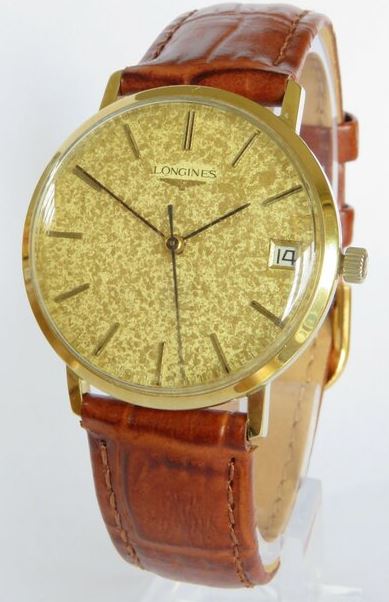
These vintage watches have endured entire lifetimes prior to your ownership, and they show it. There is a range of details to consider with vintage watches, from a tropical dial to a rare case reference or an obscure calibre. In some cases, a combination of these factors generates a sense of intrigue or collectibility for a vintage timepiece.
Value for money
In recent years, interest in vintage watches as an investment has grown significantly. More people have come to appreciate the value, workmanship and long-term appeal of older timepieces. While the materials used in many vintage watches are often comparable to those found in modern models, case construction and movement design reached particularly high standards during the 1950s and 1960s. Watches from this period are often rugged, reliable and relatively straightforward for skilled watchmakers to service.

The comparison with the motor industry is a useful one. Just as a new car typically loses a substantial portion of its value during its first few years on the road, many modern watches experience their steepest depreciation soon after purchase. Vintage watches, by contrast, have generally already passed through this stage. Having established a market value over decades of collecting and trading, many desirable vintage models have reached a more stable price level and, in some cases, continue to rise in value over time. For collectors, this can make carefully chosen vintage watches a more attractive proposition than buying new.
Investment potential
Many collectors regard vintage watches as a worthwhile long-term purchase with serious investment potential. Unlike many new luxury goods, which often lose value after leaving the retailer, certain vintage watches have shown strong performance on the secondary market. Models from high-end watchmakers such as Rolex, Patek Philippe and Audemars Piguet attract interest from vintage watch collectors, particularly when they remain in original condition and have well-documented histories (boxes, papers and service history).
Vintage watches also offer more than the possibility of long-term financial gain. Owners can wear and enjoy a 1950s Omega Seamaster, whilst also holding an asset that may appreciate in value. Rarity, provenance, condition and market demand all influence prices over time. Although there are no guarantees in the vintage watch world, a carefully chosen and cared-for, vintage watch can often reward patient collectors over time. Because of this, many collectors view vintage watches as both practical personal possessions and tangible assets. These watches represent a connection to watchmaking history and the opportunity to create a financial return through ownership of a rare and desirable object.
Factors to consider when buying a vintage watch
Before buying a vintage watch, it’s important to take time to consider all of the options available. One thing you can be sure of, you will make mistakes. At Set Back in Time, we have all made mistakes that we have learned from over the years. This guide will hopefully help you avoid those same mistakes. Understanding that the market value of a vintage watch depends on a range of factors is all part of the learning curve. Age alone does not guarantee that a vintage watch is worth buying.
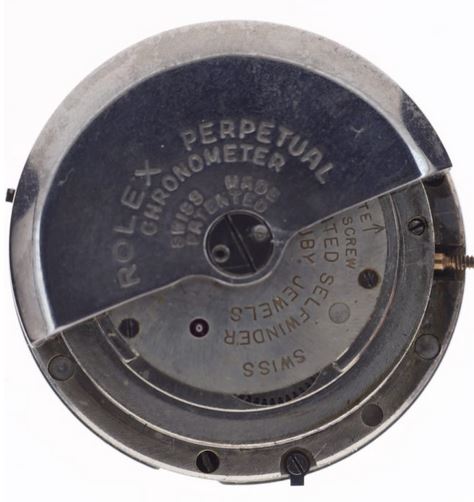
Condition, originality, rarity, provenance, and the reputation of the watchmakers all contribute to the appeal of a vintage watch. Examining details such as the dial, case, movement, service history, and the presence of original parts can reveal a great deal about the authenticity of a vintage watch. It is also worth comparing recent sale prices on similar items to get an idea of the current market value. Always make sure you look at sold prices, not just the value of items for sale.
Researching brands and models
The starting point when buying any vintage watch, especially an investment piece, is to learn about the different watchmaking brands and models. Each brand will have its own heritage, character and style. For example, in the mid to upper price range, Rolex is famous for its rugged, classic tool watches, like the Submariner or the Daytona. In the mid-price range, Omega is the flagship, with the Speedmaster, often known as the Moonwatch. It’s another tool watch that blends the history of space exploration with watchmaking precision.
Alongside the Speedmaster is the Omega Seamaster, which started out as a gentleman’s water-resistant wristwatch, but evolved into a classic diver’s watch. Other mid-range brands include Jaeger-LeCoultre and IWC. In the modest price range, Longines, Tissot and Zenith watches offer high-quality movements with a strong history and heritage. Understanding a brand’s heritage makes it easier to judge a watch’s worth and where they sit in the market. As an investment, you need to be buying a vintage watch that commands respect amongst collectors in the market.

Once you understand the brand, take a look at specific models. The key is to pick a brand and a model that appeals to you. Ultimately, you are the one who will have the vintage timepiece strapped to your wrist. Once you have identified the brand and the model, you need to cross-check the reference data. Calibres, serial numbers, case references and materials all need to be researched and confirmed as genuine to the watch in question. Detailed research helps you distinguish genuine models from replicas. It also helps you make an informed choice when negotiating a price.
Examining the watch’s condition
The condition of a vintage watch plays an important role in its overall appeal to collectors. The condition affects both the visual appeal and functionality of the watch. A slight age-related patina can add charm, but too much wear and tear is considered damage and will lower the watch’s value. Some collectors appreciate a well-worn case as it shows authenticity.
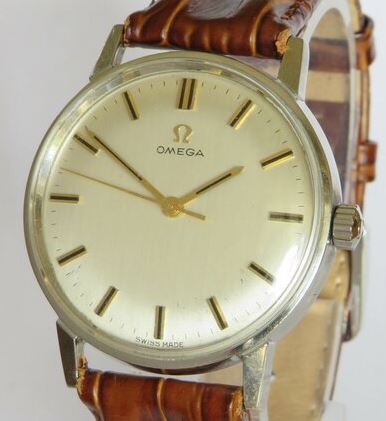
The dial is the most important place to start. Any damage here can make it difficult to read the time, which defeats the purpose of the watch. Look for clear markings and intact design elements. The hands should move smoothly and remain unmarked. The case of the watch also deserves careful attention. Light scratches or faded plating do tell a story, but dents or plating worn away to the base metal should be considered damage and avoided. The case must also hold its shape. Any signs of over-polishing, such as the loss of sharp edges to the case and lugs, should raise concerns about the watch’s integrity.
Bracelet and strap
Consider the bracelet or strap next, this component part of the watch often shows the most signs of wear because it is in use every day. Original leather straps are rare and wear quickly with use. Most collectors are not looking for an original leather strap. The buckle, however, does come under consideration. Original buckles are very rare on vintage watches with leather straps. Over the years, the leather strap will have been replaced many times, and little thought is given to keeping the original buckle. Metal bracelets can be damaged by scratches, dents, or just wear and tear. Make sure a metal bracelet straps securely around the wrist and is easily adjustable. Replacement metal bracelets can be an expensive addition to a vintage piece.

Lastly, the movement is the heart of a vintage watch. A faulty movement can cause many problems, including the watch losing or gaining time. You should ask to view the movement or have a watchmaker check it for you. Even a small issue with the movement may lead to significant and ongoing repair costs later.
Understanding provenance
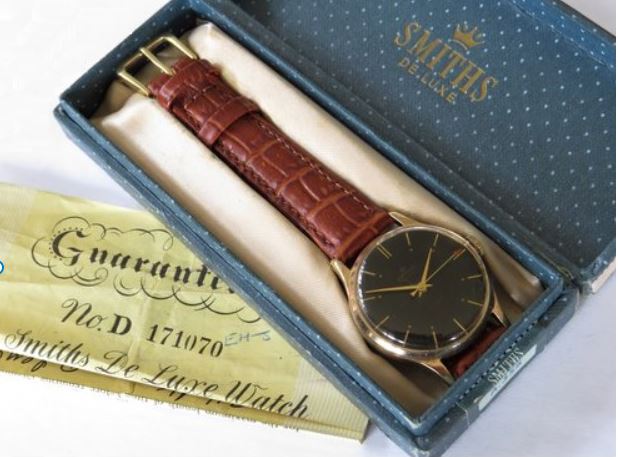
The physical condition of a vintage watch is important, but so is the history behind the timepiece. Provenance, the history of ownership, can confirm a vintage watch’s authenticity and add to its value. The original box, receipts, warranty papers or certificates can support its authenticity. Even insurance documentation, receipts for replacement watch straps or service records can add to a watch’s provenance. A lack of documentation doesn’t mean the watch is certainly a fake, but it might cause a collector to hesitate when there is a choice between a watch with papers and one without. High-quality vintage watches generally carry a serial number. Each of these numbers will be unique and is generally traceable. Ask a watchmaker or check the serial number against reliable sources (see the Related content section at the bottom of the page for links). Confirming the number can prevent you from buying a counterfeit.
Evaluating the price
Price evaluation is very important in the world of vintage watches. Firstly, you don’t want to be paying over the known market value and conversely, you need to be cautious of deals that seem too good to be true. An unusually low price is a good indicator that there are problems with the watch, or if there aren’t now, there will be soon. Always research the market value before purchasing. The best way is to look at completed auction results for the same brand, model and year. If completed auction results aren’t readily available, there are many reputable online platforms which offer clear pricing guides for vintage watches. Comparing values across different sites to get a good baseline price for your target watch.
Reputable dealers, particularly those with bricks and mortar stores, generally charge a higher price. However, their prices often reflect “hands-on” thorough checks and decades of insider experience in the market. These dealers will often include servicing with the purchase price. This can save you from expensive repairs later. Finally, a reliable dealer will provide guarantees and warranties. The extra investment may pay dividends in the long run.
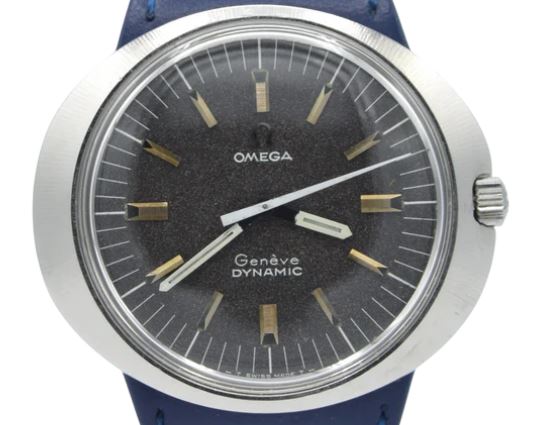
Lastly, if the service history of the watch is unknown, it is always best to factor in a service charge into the first year of ownership. No matter how good the vintage watch may look on the outside, it matters what’s inside. An unserviced movement cannot run forever without work, and a vintage watch could have sat untouched in a drawer for decades before being sold. At Set Back in Time, we have learnt our lesson many times over… always include that service charge into your budget for the first year of ownership.
Wasting assets
If you collect vintage watches in the UK, there are some potential tax advantages. HMRC treats vintage clocks and watches, such as Omega Seamasters, as “wasting assets”. This means they are regarded as items with a limited useful life, often taken to be around 50 years. Because of this classification, selling a watch that is at least 50 years old will usually fall outside Capital Gains Tax, unless it has been used in a business and Capital Allowances have been claimed. As a result, if you are not trading watches as a business, any gain from selling one is often not subject to Capital Gains Tax. Tax rules can change over time, so getting professional advice before selling a collection is sensible, helping you avoid any unexpected issues with HMRC!
Where to buy a vintage watch?
Finding the right place to purchase a vintage watch can be a challenge. There are online marketplaces that sell anything and everything. At Set Back in Time, these are generally not the places we would buy a vintage watch from. Various online market places which provide a better option, with dedicated platforms for selling watches. Examples include Chrono24 and Watchfinder. Specialist dealers, online and store-based, offer another option, backed by industry accreditation and decades of experience. Two of our favourite online dealers are The Vintage Wrist Watch Company and The Authentic Watch Company.
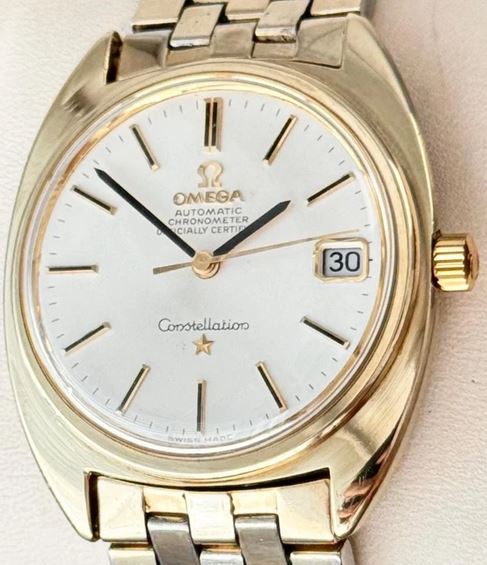
Auction houses also play a role in the vintage watch market, especially for rare and high-end pieces. Buying at an auction requires confidence, expertise and quick decision-making. Auction environments can be exciting, but require caution. It is easy to be caught up in the emotions of the bidding and be dragged beyond your budget. It is best to educate yourself on auction practices before you participate.
For those who prefer a more personal approach, private sellers and watch forums offer other opportunities. In private sales, prices may be more competitive. However, unlikely to be backed by service warranties or guarantees. Lastly, there are forums. These bring together experienced collectors who share their knowledge and sometimes sell their watches. Engaging with these communities can help you with your research, but sales are also unlikely to be backed by recognised warranties. At the beginning of your watch collecting hobby, it’s best to stick with recognised vintage watch dealers.
Summary
Vintage watches offer more than just functionality or style. They represent a blend of art, heritage and engineering. If they are well-maintained, they can remain a practical timepiece that stands apart from the mass-produced watches of today. By researching the brand, inspecting the condition, and verifying authenticity, you can also have a vintage watch that will appreciate in value over time.
Related content
Longines serial number checker.
Omega serial number checker.
Zenith serial numbers at Horological Underground.
Tissot serial number checker.
Leave a Reply