If you enjoy collecting vintage watches, you know how rewarding it is to find a rare timepiece in great condition. However, with counterfeits becoming more sophisticated, making sure a vintage watch is authentic is more important than ever. Whether you’re a collector, investor, or enthusiast, knowing how to authenticate a vintage watch can save you from costly mistakes.
Experts use a step-by-step approach to confirm whether a vintage watch is genuine. While professional authentication is always the best option, understanding the basics can help you make informed decisions before purchasing or selling a vintage watch.
Start with a visual inspection
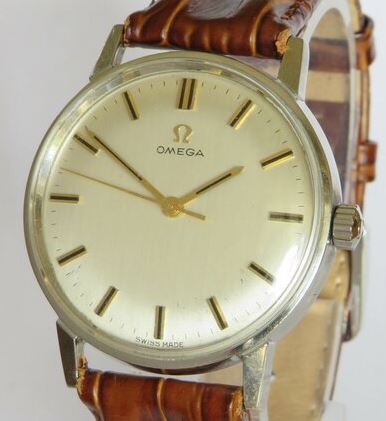
A watch’s appearance tells a story. Before looking at serial numbers or opening the case, professionals examine key details that should match the brand’s expected quality.
What to look for:
- Dial quality: Genuine watches have finely crafted dials with precise printing. Blurry lettering, uneven fonts, or off-centre text are all red flags. Age-related patination is expected, perfect text and a pristine dial could indicate resoration or replacement.
- Hands: The shape, length, and finish of the hands should match the brand’s known characteristics for that model and era.
- Case construction: Materials, finishing, and engravings should be consistent with the brand’s craftsmanship.
- Crown: Many luxury brands feature a signed crown with their logo. A plain crown could be a replacement or indicate a fake.
Some brands, like Omega and Longines, include serial and model numbers on their watches. These numbers can help verify production dates when cross-referenced with brand records. However, serial numbers alone don’t guarantee authenticity, counterfeiters often stamp fake watches with real numbers.

Checking the movement
A watch’s movement is one of the most reliable indicators of authenticity. Luxury brands are known for their high-quality mechanical movements, and even skilled counterfeiters struggle to replicate them perfectly (Movement Identification at Vintage Watchstraps).
How experts authenticate movements:
- Brand stamps and signatures: Most reputable watchmakers engrave their brand name, logo, and serial number inside the movement.
- Movement finish: Luxury movements have carefully polished components, fine engravings, and distinctive decorations, like Geneva stripes or perlage.
- Screw type and positioning: Counterfeits often have incorrectly shaped screws or misplaced components.
- Bridges and gears: The layout should match authentic models. Any inconsistencies could signal a fake or a mismatched movement.
Since opening a watch case requires skill, this step is best left to a professional. A watchmaker can disassemble the movement and confirm whether it matches the brand’s known specifications.
The importance of experience and expertise
Authenticating a vintage watch isn’t just about checking serial numbers or confirming a dial’s accuracy, it’s about understanding the characteristics of different models, manufacturing periods, and brand histories.
Experts rely on:
- Historical records and brand archives to compare details.
- Hands-on experience handling genuine watches from different eras.
- Reference books and online databases to identify inconsistencies.
For high-end brands like Rolex, Patek Philippe, and Audemars Piguet, authentication can be highly complex. Some manufacturers, like Omega, offer official archive extracts for a fee, providing additional verification.
Basic checklist for buyers
If you’re considering buying a vintage watch, there are a few quick checks you can do before seeking professional authentication. Ask yourself:
Does it feel like a premium item? A luxury watch should have a solid weight, smooth finishing, and high-quality materials.
Is the seller reputable? Buying from a trusted dealer, auction house, or expert collector reduces the risk of counterfeits.
Do the details match online references? Compare the watch to verified listings, catalogues, or trusted websites to spot inconsistencies.
Even if everything looks correct, counterfeits can be deceptively convincing. That’s why a professional evaluation is always recommended.
Get a professional valuation
A trained expert can assess a vintage watch’s authenticity and determine its market value. If you’re serious about collecting, selling, or insuring a watch, an official valuation is important.
Where to find trusted experts:
- The British Horological Institute (BHI) offers a directory of trained watchmakers and valuers.
- Auction houses like Sotheby’s and Christie’s have in-house watch experts for appraisals.
- Brand service centres (e.g. Rolex or Omega) can verify watches but may require servicing fees.
A professional valuation will confirm whether a watch is genuine, highlight any modifications, and provide an estimated value based on the current market (Are vintage watches worth anything? at Dawsons Auctioneers).
Summary: How to authenticate a vintage watch
- Examine the watch visually, check the dial, hands, case, and crown for expected brand quality.
- Inspect the movement, brand engravings, layout, and finishing to ensure they match genuine models.
- Consider the seller’s credibility, trusted dealers and experts reduce the risk of buying a fake.
- Compare with verified sources, look at online databases, auction records, and brand archives.
- Get professional authentication, a trained watchmaker or valuer can provide a definitive assessment.
Vintage watches are valuable not just for their craftsmanship but also for their history. Ensuring authenticity protects your investment. If in doubt, always authenticate a vintage watch before making a purchase.
Related content
How to tell a real watch from a fake at W.E. Clark & Son.
Leave a Reply