First of all, I have to admit I’m a fan of the Omega Seamaster, so I am a little biased. I have owned a few vintage Omega watches, and I have never been disappointed. The wide variety of vintage Omega Seamaster models on the market today means there is always something new to discover. In this post, we explain why buying a vintage Omega Seamaster is not only financially rewarding but offers the buyer a practical piece of watchmaking history.
The history of the Seamaster
Released in 1948, the Omega Seamaster took inspiration from Omega watch designs originally intended for World War II servicemen and applied them to a gentleman’s dress watch for the post-war consumer. The Seamaster was Omega’s gift to the world on its 100th anniversary, and it is a gift that is still with us today.

When Omega launched the Seamaster, they brought forward the robust, military-inspired water-resistance of their Dirty Dozen watches, whilst still maintaining an elegant profile on the wrist. This was achieved by introducing an innovative O‑ring gasket system, originally developed for use in submarines during World War II. This technology provided a far superior seal against water, pressure, and temperature changes compared to earlier designs. The O-ring gasket gave the Seamaster a water resistance of approximately 60m. This was more than enough for the typical “man about town” to wear his watch on a day by the pool or at the beach. It was a versatile, waterproof dress watch, which is what I love about the Seamaster as a collector (Omega Seamaster at Chronopedia).
The 1957 Seamaster 300
Additionally, the original Seamaster featured anti-magnetism and shock-proofing capabilities, making it a precise and reliable watch. However, it took until 1957 for a true dive watch to be launched, the Omega Seamaster 300. Its water resistance was rated to 200 metres, but Omega confidently named it the Seamaster 300, implying it could withstand even greater depths. The Omega Seamaster 300 included a unidirectional rotating bezel and a black dial with luminous markers. All these features made it ideal for diving.
The Seamaster has been the choice of the British Navy, James Bond (since Goldeneye 1995) and record-breaking divers and path-finding pilots for decades. The opportunity to own a piece of these stories in a vintage Seamaster can be more of a reality. A 1950s Seamaster in good condition will cost you around £1,200, while new models start from around £5,100.
Why buy a vintage Omega Seamaster?
Owning a slice of watchmaking history at a lower price than a new Omega Seamaster should be enough to persuade you. But if it isn’t, here are some other advantages to owning a vintage Omega Seamaster:
Variety
The 1950s and ‘60s brought some of the most striking watch designs, often considered by enthusiasts as a golden era in watchmaking. During these decades, Omega released multiple versions of the Seamaster every year, resulting in an incredible variety of styles. It is almost like there are countless variations of the Seamaster, you are virtually guaranteed of owning something that is unique. It is highly unlikely you will ever walk into a social event and find someone else wearing the same vintage Seamaster. If nothing else, it is a great conversation starter.
Variations include movements (automatic or hand-winding), gilt dials, different case shapes, and contrasting styles in hour markers and handsets. Seamaster models differ in movement types, some are automatic, others require hand-winding. Dials range from classic gilt to more understated styles. Case shapes vary, and the details on hour markers and handsets add even more character. This diversity means there’s a Seamaster for every taste.
Heritage
The Seamaster has decades of milestone achievements and genuine World War 2 ancestry. Besides, a 70-year-old timepiece bearing a name that goes hand in hand with James Bond makes a very cool statement. Owning a vintage Seamaster watch is owning a piece of history. Each watch comes with its own unique story to tell, on top of the already epic Seamaster model history.
Value
Owning a vintage Omega Seamaster offers great value and can be a smart investment. If you don’t mind a few knocks, and particularly if you expect to add more yourself, you can pick one up for around £600. Naturally, rarer models, pristine condition, and extra features like complications or warranties will push the price higher. A brand-new Omega Seamaster in 2025 starts at about £5,100, and prices are only going up as Omega competes with Rolex and other high-end brands. When you buy a new luxury watch, expect its value to drop for around 10–15 years. This depreciation curve can cut around 20% off its original price. Vintage watches, especially Seamasters, offer something different. Unlike new models, they tend to hold their value and often appreciate over time. Choosing vintage means getting a distinctive timepiece while making a solid investment.
Character
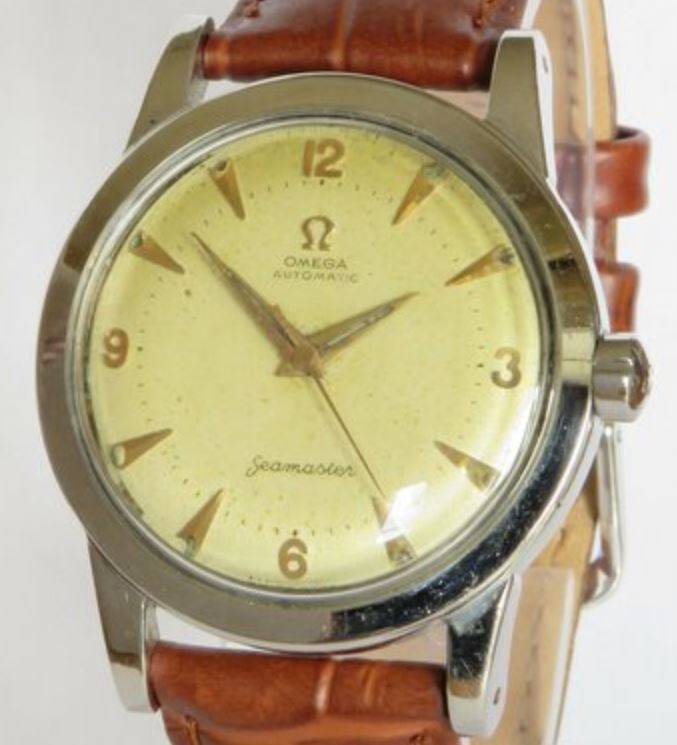
Over time, vintage watches acquire patina and subtle changes that give them a unique charm that can’t be replicated in a new piece. This can result in some stunning tropical dials, which show signs of the watch’s past. Collectors value this ageing process as it offers something that you cannot get from a new model off the shelf. It adds authenticity and originality.
Reliability
The vintage Omega calibres used in Seamasters have several common factors that have ensured their reputation for lasting reliability and enduring performance. These movements were engineered with robust materials, high jewel counts, and designs that effectively resisted shocks, magnetism, and everyday wear. Their relative simplicity meant fewer complications, which in turn reduced potential points of failure and made them easier to service. The widespread availability of spare parts and the straightforward construction have allowed these movements to be easily maintained over the decades.
Additionally, Omega’s stringent production standards during the mid-20th century ensured that each movement was built to meet high-quality specifications. This rigorous quality control, combined with the inherent durability and ease of maintenance of these movements, has not only made them highly collectable but also dependable for everyday wear. When properly maintained, these vintage Omega calibres continue to deliver solid performance decades after they left the showroom.
It is worth noting that for vintage watches, it is recommended to have a routine service every 3-5 years. Fortunately for vintage Seamaster owners, Omega’s extensive production history ensures a plentiful supply of readily available spare parts. This negates the need for an expensive trip to an Omega dealership for maintenance. Another good reason to buy vintage Omega Seamasters.
Investment potential
Omega watches, in general, have a track record of holding their value, with many vintage models proving to be great investments. Renowned for its durability and classic design, the Seamaster range showcases Omega’s dedication to creating accurate watches that can endure the rigours of day-to-day life, but remain elegant and stylish. In general, the following rules apply when considering value:
The better the condition of the watch, the higher its value. This includes retaining original components. The crystal, the crown and the buckle are the most likely parts to be replaced.
Original boxes, papers, and bracelets can add provenance, and therefore value, to a vintage watch.
As interest in vintage watches continues to grow, the prices of Omega Seamasters have experienced a modest but definite increase. Although a Seamaster boom is unlikely, you can be assured that a well-maintained watch will remain accurate for years to come and will steadily increase in value.
In other words, a vintage Omega Seamaster is a solid investment. For now, they remain on the more affordable side of vintage watches offered from high-end Swiss brands, making it the perfect time to invest.
Originality
There are a few things to avoid with a vintage Seamaster, just like any other vintage watch. Many vintage watches have had a hard life and have had much work done on them over time. If you truly value a 100% original example, you will have to do some research. A replaced crystal, crown or strap is not a major issue. However, if any of the components of the movement are clearly not original, then you are crossing a line that will deter many future buyers.
Additionally, many vintage watches have been over-polished during their lifetimes. This can lead to rounded lugs, dulled edges and case inscriptions fading into obscurity. Again, this is another red flag for future buyers who value originality. Perhaps the worst crime is a redial. This will deter most collectors. Avoid redials where you can. All of the above are reasons why you should only work with trusted dealers.
Omega Seamaster – in summary
For those looking for something stylish and unique on their wrist, you can’t go past a vintage Omega Seamaster. What I like about the Seamaster is that it can be worn in both casual and dressy situations, and it’s not only accurate, but also has a robust quality that can withstand everyday use. They represent value, quality and sophistication. Now is the time to buy, whilst Seamasters remain at the affordable end of the vintage watch market.
Related content
Omega Seamaster at Wikipedia.
Leave a Reply