At Set Back in Time, the majority of the vintage watches that pass through our collections have leather straps. Naturally, these straps themselves are not vintage. Leather straps simply don’t last. However, recently a few vintage watches have included metal bracelets. This inspired today’s post: the evolution of watch straps and bracelets. Below is what we have managed to uncover during the past few weeks of research.
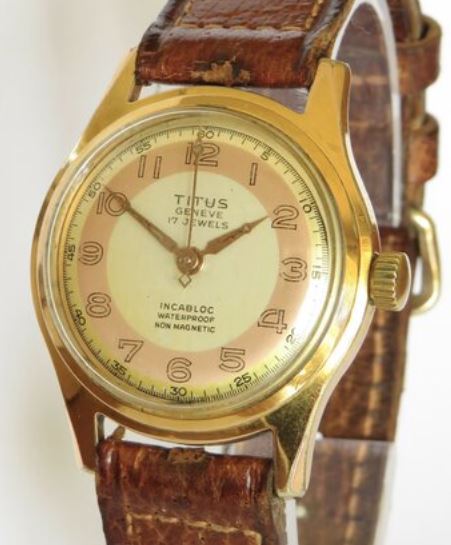
Watch straps and bracelets evolved from simple chains on pocket watches to ornate jewellery for early wristwatches. They then shifted to practical leather for military use, before exploding in variety with durable metal bracelets (like Rolex’s Oyster) for tool watches in the mid-20th century. Later materials included rubber, NATO nylon, and high-tech ceramic and silicone. These changes were driven by sports, diving, and the desire for personalisation and interchangeable systems in the modern era.
The early days: from pocket to wrist
The earliest wristwatches for men were not originally designed for the wrist at all. They were, in fact, converted pocket watches. In the early 20th century, people realised that checking the time was far easier when the watch was strapped to the wrist rather than buried in a pocket. This was especially true in the trenches during World War I, when quick glances at the time were essential.

To satisfy this practical battlefront requirement, cases were modified to include welded wire lugs to hold straps, typically made from fabric or leather. These practical modifications became a defining feature of the watches worn in the trenches during World War I. This transition from pocket to wrist marked the moment when wristwatches started gaining widespread popularity among men.
A touch of class: ladies’ watches as jewellery
While the interest in men’s wristwatches only gained traction in the early 20th century, women had been wearing them for decades. In the early 19th century, women’s watches were designed as elegant pieces of jewellery. These were worn by those who could afford such expensive curiosities, royalty and aristocratic ladies. These decorative timepieces featured intricate gold or silver bracelets, sometimes adorned with gemstones. Men considered these early wristwatches too small to be properly engineered in order to keep time accurately and too delicate to be worn day-to-day. However, most importantly, men considered these watches effeminate because they were only worn by ladies.
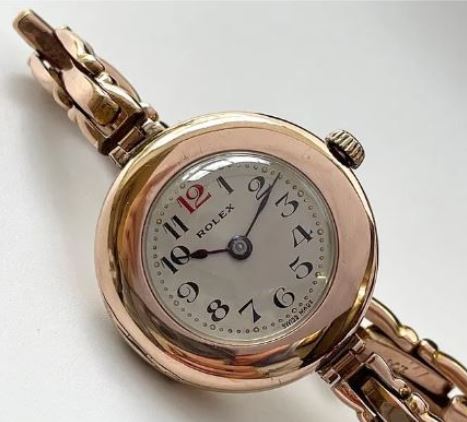
Unlike the practical leather straps used by men, these early women’s watches were crafted to be both functional and luxurious. By the early 20th century, the watch strap landscape was divided, with leather for men and metal for women. This sex-based distinction would continue to the designs of watches for years to come.
The rise of metal bracelets
The 1930s and 1940s saw the introduction of metal bracelets for men. Although a number of watchmakers produced bracelet designs, the most influential was the renowned Gay Frères company. Originally, Gay Frères specialised in the production of gold chains for use with pocket watches and jewellery. However, during the early 20th century, Gay Frères had to adapt and learn to make watch bracelets as well. Rolex was one of their early clients, for whom Gay Frères produced bracelets in stainless steel, gold, and platinum. Over the years, Gay Frères contributed to the development of bracelets such as the Ladder, Bonklip, Beads of Rice, and Oyster styles.

By the 1940s, it was clear that watchmakers recognised the commercial potential of producing rugged, reliable metal bracelets, particularly in steel. Although gold had traditionally been the preferred material, stainless steel was proving to be a strong, durable, and stylish alternative. This period marked the beginning of metal bracelets being seen as more than just an accessory. They were a practical, long-lasting component of the watch’s structure.
The leather preference in the post-war years
Despite the increasing popularity of metal bracelets, leather straps remained the most common choice for men’s watches until the 1970s. The leather preference may have been due to affordability, comfort, or perhaps just tradition. During the 1940s and 1950s, most watches, regardless of brand, were still made from precious metals such as gold and silver. Traditional leather straps helped keep costs reasonable, as a full gold bracelet could significantly increase a watch’s price. Even high-end brands such as Patek Philippe, Audemars Piguet, Rolex, and IWC offered models with leather straps. During this time, leather’s practicality and cost-effectiveness made it the dominant choice. However, that balance was about to change.
The shift towards stainless steel
By the late 1970s, the preference for leather straps started to fade. There were several contributing factors. However, the most significant was the rising cost of gold. The 1970s saw extreme fluctuations in gold prices. This made gold watches and matching bracelets increasingly more expensive. Unsurprisingly, watchmakers turned their attention to stainless steel, which began to be marketed as a new type of luxury material. Stainless steel was durable, resistant to corrosion and discolouring, and noticeably cheaper than other metal materials. Suddenly, metal bracelets were much more appealing, and there was no need to replace them frequently as was the case with leather straps. This affordability also marked the rise of integrated steel sports watches, a trend that would continue in modern luxury watchmaking. With famous names such as the Audemars Piguet Royal Oak and Patek Philippe Nautilus leading by example, steel bracelets became a statement of sophistication and practicality.
The tool watch revolution
Another significant trend that took hold during the 1970s was the increased interest in tool watches. The concept of watches built for extreme conditions, whether for diving, aviation, or exploration, had been around for some time. In fact, some of the most iconic tool watches of all time, such as the Rolex Submariner and the Omega Speedmaster, had been around since the 1950s. However, in the 1970s, tool watches suddenly gained mass-market appeal. As watchmaking brands began developing watches designed for professional use, steel bracelets became the go-to option. Dive watches of the 1950s had already set the stage, but by the 1970s, rugged steel watches with matching steel bracelets became the ultimate symbol of durability and adventure.

The bi-coloured boom of the 1980s
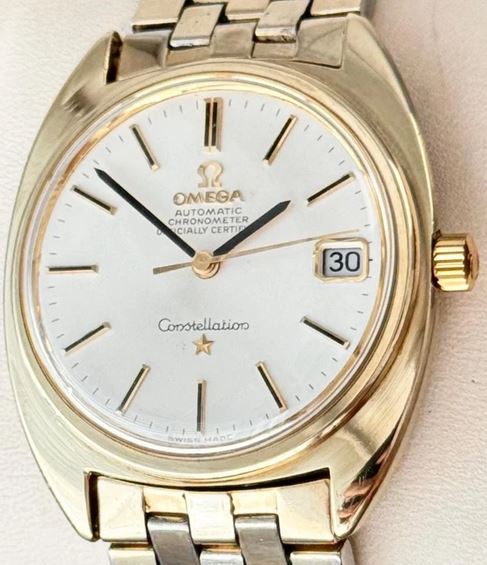
The gold crisis of the 1970s set the stage for the rise of bi-coloured (steel and gold) bracelets in the 1980s. Solid gold watches were prohibitively expensive. The combination of gold and steel struck a balance between affordability and luxury. It offered the elegance of gold and the durability of steel at a lower cost than the solid gold option. This “affordable luxury” concept became a defining characteristic of watches from this period. The other affordable option is gold-plating. This offers the look of gold, but the downside is the long-term wear of the thin layer of plating.
Personalisation
One of the most enjoyable aspects of collecting watches is the ability to change straps and bracelets with ease. The use of a simple swap can transform the entire character of a timepiece. A dress watch can be made sportier with a steel bracelet. In contrast, a rugged dive watch can take on a more refined look with an alligator leather strap. The possibilities are endless, and this flexibility is part of what makes watches such a personal and expressive accessory.
Today, vintage watch collectors have more choices than ever. From high-tech materials such as titanium and ceramic to vintage-inspired leather and fabric straps, there is something for every taste and occasion. And with independent strap makers offering bespoke options, the personalisation of watches has never been more accessible.
Considerations for vintage watch collectors
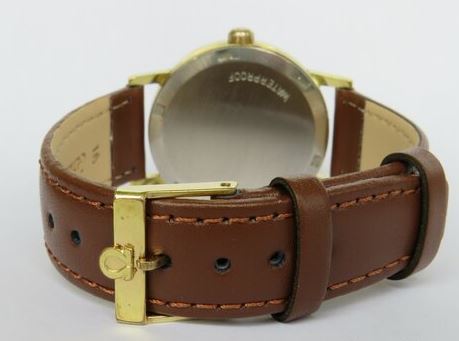
Metal bracelets are always going to be more rugged, but they will still require stripping down, cleaning, lubrication and reassembly occasionally. Leather straps that are worn regularly are never going to last indefinitely. A typical modern leather strap will last perhaps 2 years with daily use. If you own a genuine vintage leather strap, be aware that regular wear will cause it to break down. Original buckles are very rare, and genuine examples should be guarded jealously. “Aftermarket” buckles are available and offer suitable replacements.
Summary
The history of watch straps and bracelets reflects changes in economics, fashion, technology, and society. What began as a necessity, a simple way of securing a timepiece to your wrist, became an important aspect of watchmaking. Although practical, it also became an accessory to personalise your watch or to make a statement. Whether you prefer the tradition of leather, the durability of steel, or the versatility of modern materials, the right strap or bracelet can redefine the look and character of a vintage watch.
Leave a Reply