Georges Ducommun (1968 – 1936), the founder of Doxa, was one of 13 children born in the small town of Le Locle, Switzerland. In 1880, at the age of 12, Georges began his apprenticeship with an established local watchmaker. At the age of twenty-one he started his own workshop. He chose the Greek word for ‘glory’ as the company name to represent the quality of his work. The young watchmaker quickly built a reputation for diligence, often walking nearly twenty kilometres to deliver his timepieces personally. According to Mikrolisk, Ducommun registered the Doxa trademark in 1902. His craftsmanship earned the brand gold medals at the World Fairs in Liège (1905) and Milan (1906) (The History of DOXA at DOXA Watches).
Automotive innovation
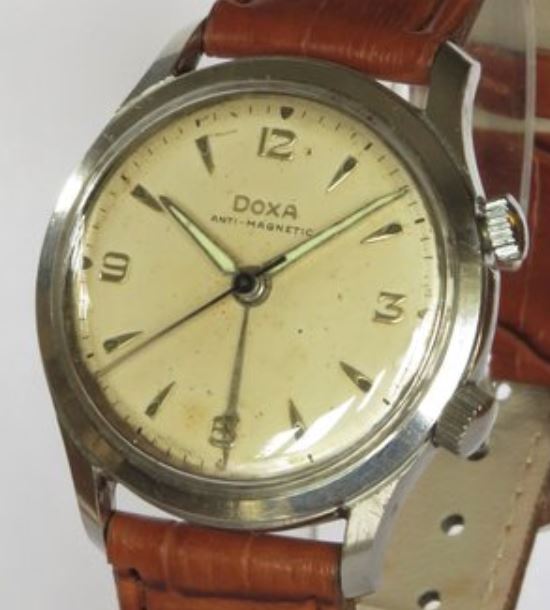
Ducommun successfully capitalised on the expanding automotive industry in the early 20th century. He patented the ‘8-Day Doxa Calibre’ in 1908, a robust movement designed specifically for dashboard clocks. Bugatti, the famous racing car manufacturer, installed these reliable instruments as standard equipment in their vehicles. Following Ducommun’s death in 1936, his son-in-law Jacques Nardin, the grandson of famed watchmaker Ulysse Nardin, took control of the business (Doxa history at Grail Watch Wiki).
The Sub 300 and Jacques Cousteau
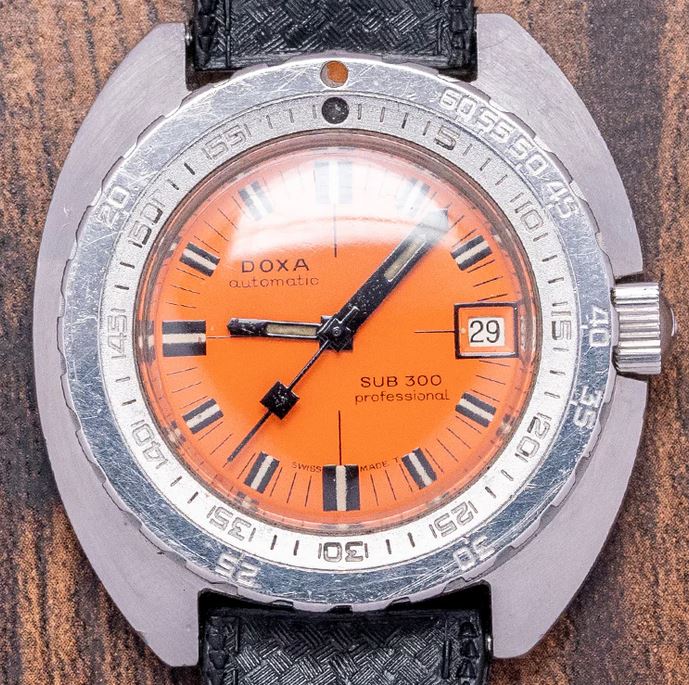
Doxa revolutionised the dive watch market in 1967 with the launch of the Sub 300. The company developed this timepiece in collaboration with Claude Wesly and legendary explorer Jacques-Yves Cousteau. They utilised a bright orange dial to maximise visibility in murky water, rejecting the industry standard of black dials. The original Sub 300 had colour variations which were: Yellow: Diving Star, Orange: Professional, Silver: Searambler and Black: Sharkhunter. The watch also featured a patented rotating bezel that allowed divers to calculate safe ascent times without decompression stops (A guide to Doxa dive watches at Analog:Shift).
Ownership changes
The ‘Quartz Crisis’ of the 1970s destabilised the company, leading to several changes in ownership. The Synchron Group acquired the brand in 1968, adding their logo to the case backs, before selling it to Aubry Frères in 1978. These corporate shifts caused the brand to fade from prominence for nearly two decades. However, the Jenny family, experts in private-label watch manufacturing, purchased the company in 1997.
Modern revival
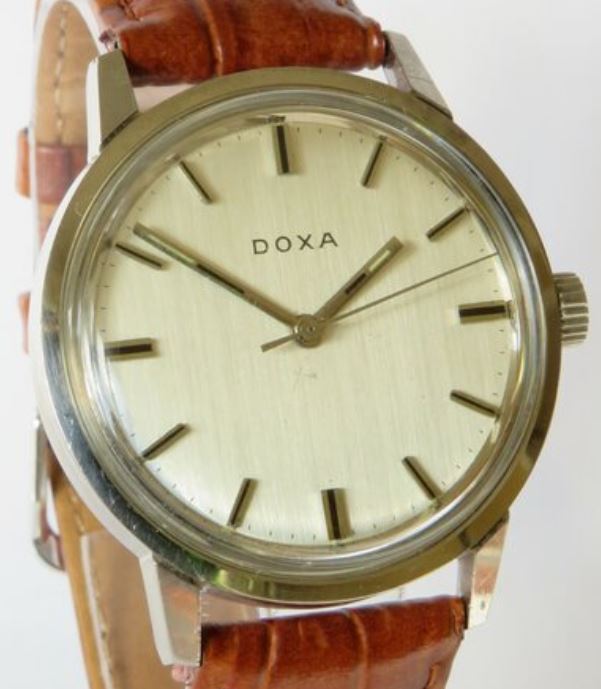
The Jenny family restored the brand’s legacy by reissuing the classic Sub 300T in 2002. They continue to operate the company from Biel/Bienne, producing watches that retain the distinctive cushion case and ‘beads of rice’ bracelet. The modern catalogue now includes the iconic orange dial alongside other vibrant colours like yellow and turquoise. Doxa currently enjoys a renewed status as a favourite amongst professional divers (Doxa SA at Wikipedia).
Leave a Reply